How do cultured freshwater pearls form?
A cultivation process begins inside a freshwater mollusk, which then forms nacre around the introduced material.
Cultured and natural pearls form through different starting conditions. With cultured pearls, people begin the process and the mollusk forms the pearl over time.
Freshwater cultured pearls are grown in freshwater environments. A product listing should state any specific material information for that item.
How do shape, luster, surface, and tone vary?
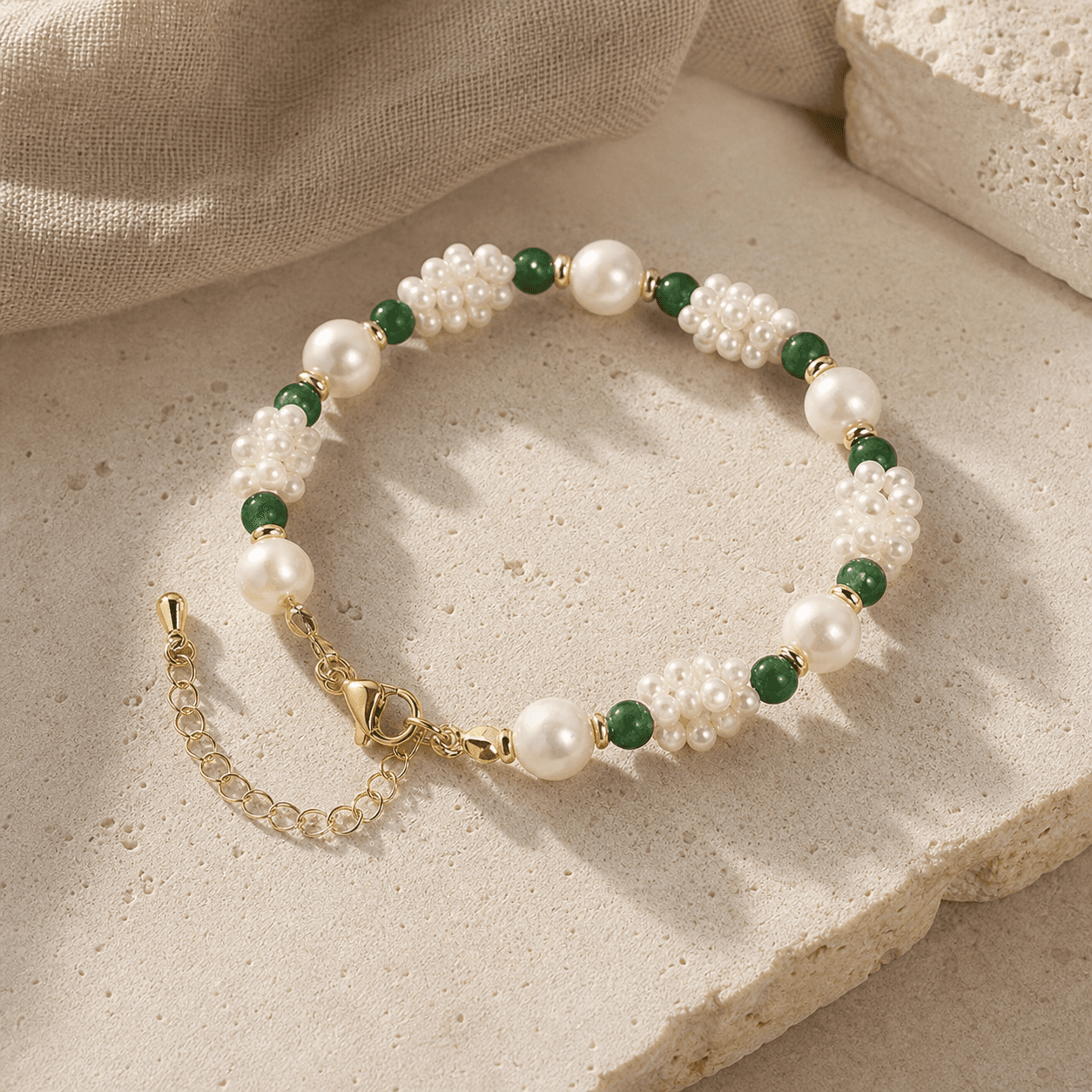
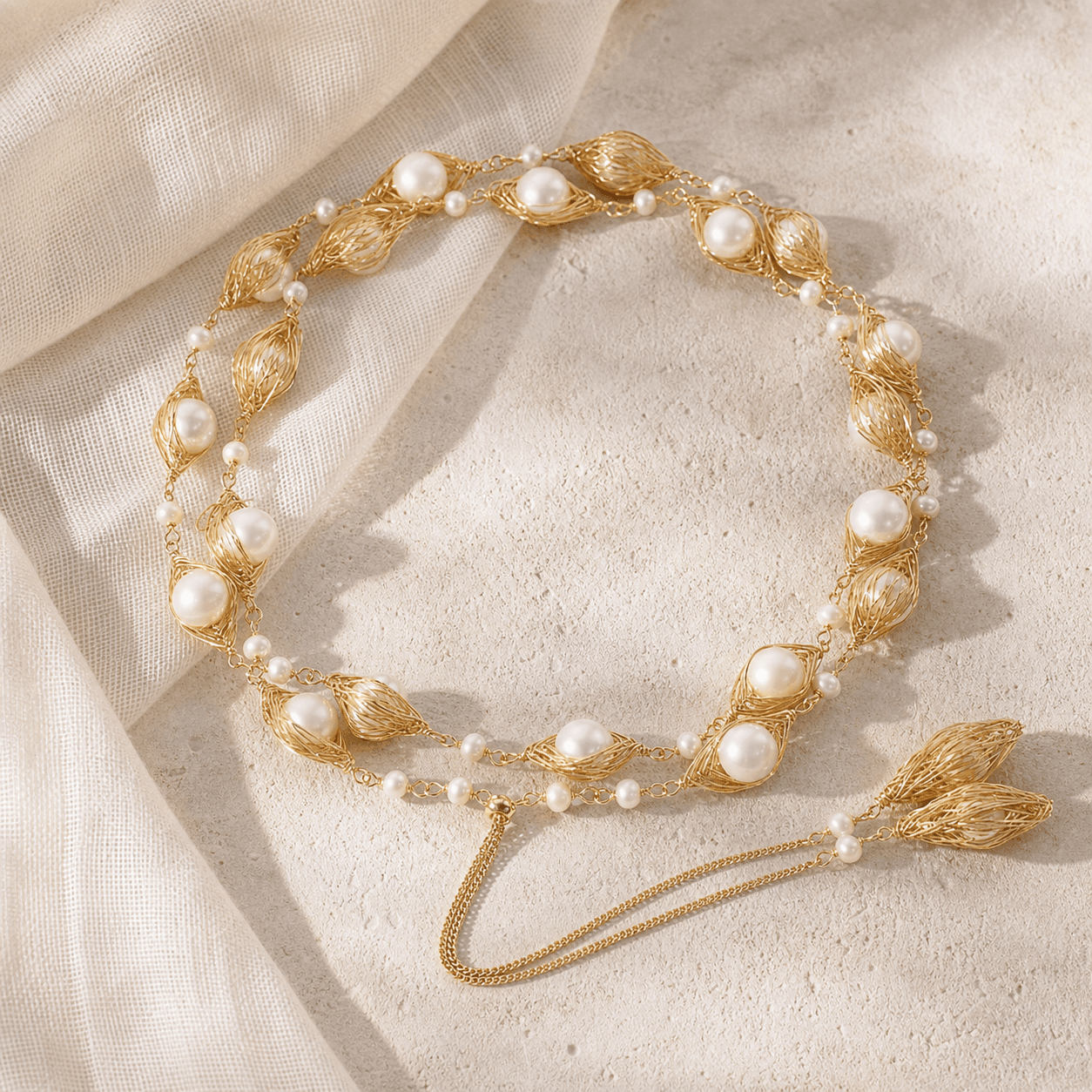
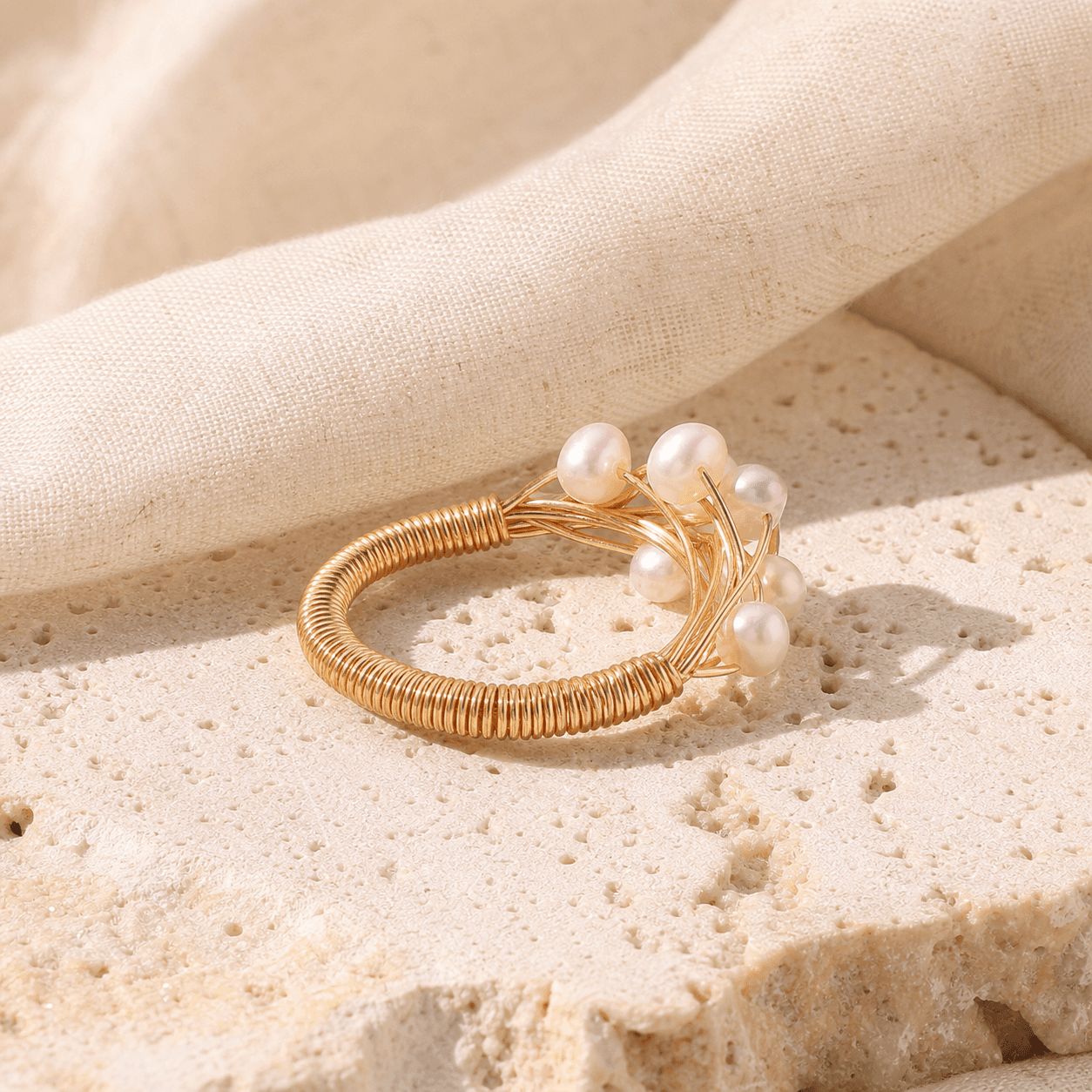
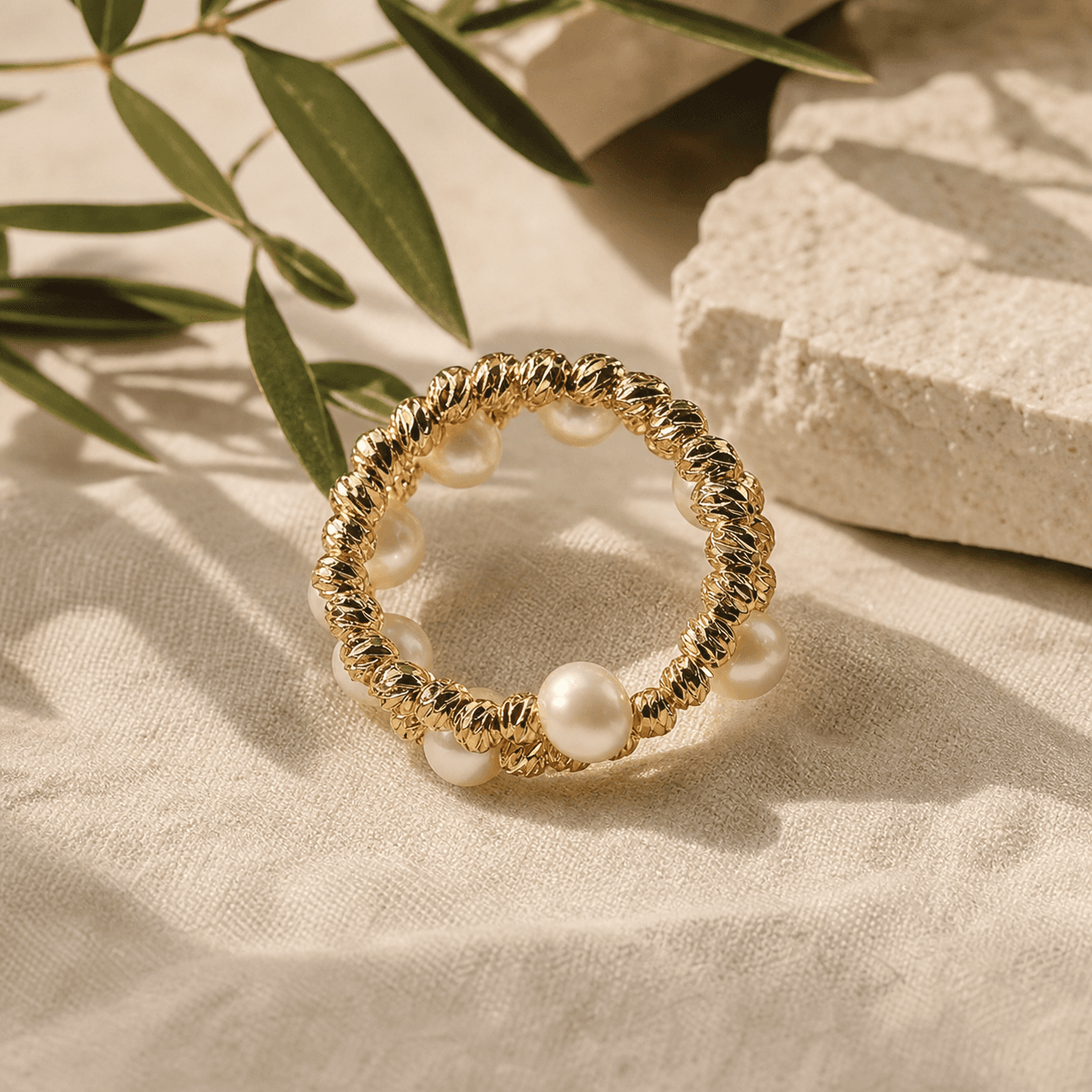
Compare visible appearance details individually because pearls vary naturally.
Shape can range from round to more irregular forms. Luster describes how light appears to reflect from the surface, while surface shows marks or texture that may be visible at close range.
Tone and overtone can also differ between pearls. These differences are visual characteristics, not universal grades.
How do freshwater pearls compare with other cultured types?
Freshwater, Akoya, South Sea, and Tahitian cultured pearls differ by growing environment, mollusk, and typical appearance ranges.
GIA identifies freshwater, Akoya, South Sea, and Tahitian as four major types of cultured whole pearls. Freshwater cultured pearls are generally grown in lakes and ponds, while Akoya, South Sea, and Tahitian cultured pearls are saltwater types.
These are broad type characteristics, not guarantees about an individual piece. Use the product record for any stated material or pearl identity, and compare its own gallery and dimensions before buying.
| Cultured pearl type | Growing environment | Typical appearance described by GIA |
|---|---|---|
| Freshwater | Freshwater lakes and ponds | A broad range of sizes, shapes, and colors |
| Akoya | Saltwater | Often white or cream and familiar in classic strands |
| South Sea | Saltwater | White to silver or golden, with generally larger sizes |
| Tahitian | Saltwater | Gray, black, or brown with varied overtones |
What should I check before buying pearl jewelry?
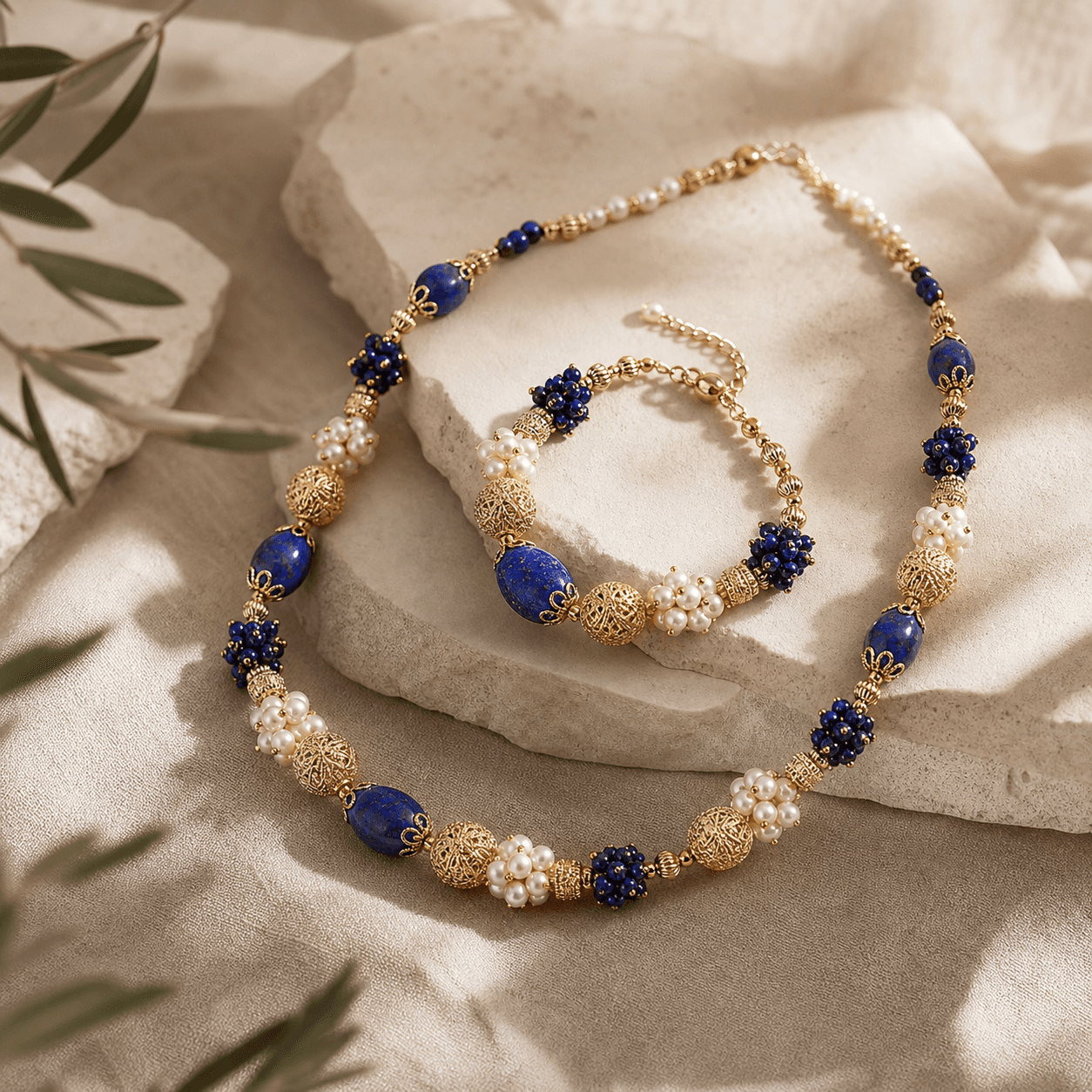
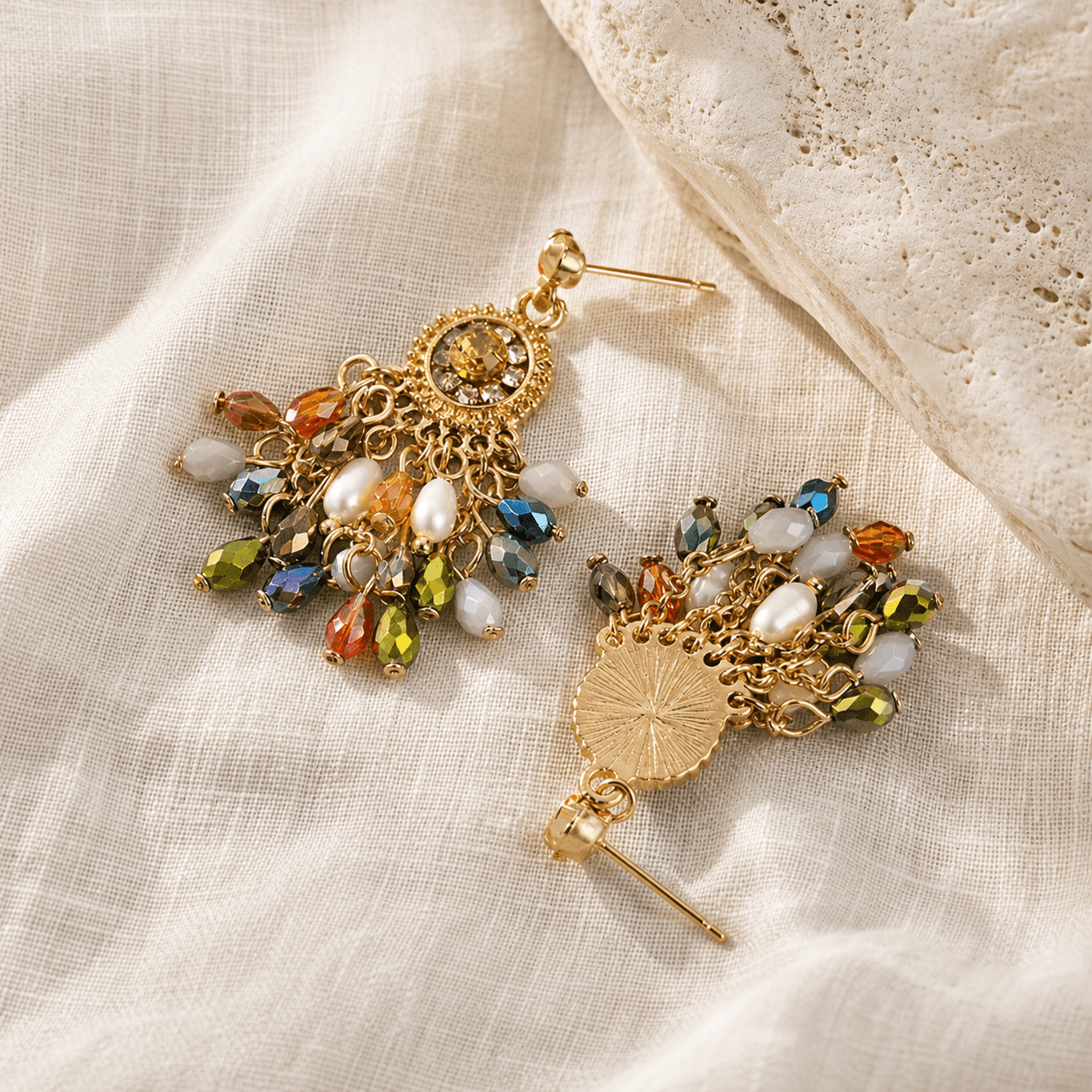
Use each product gallery as the exact visual reference for the item you are considering.
Compare the gallery, dimensions, materials, and care notes on the individual product page. Do not treat a general guide image as a substitute for the images attached to that product record.
Quick answers
Frequently asked questions
- Are freshwater pearls natural?
- Freshwater pearls can be natural or cultured. A product record should identify the material information supplied for that item.
- Why do freshwater pearls vary in shape and color?
- Pearls can vary naturally in visible characteristics such as shape, luster, surface, and tone.
- How should I compare pearl products online?
- Use each product gallery as the exact visual reference, then compare its dimensions, materials, and care notes.